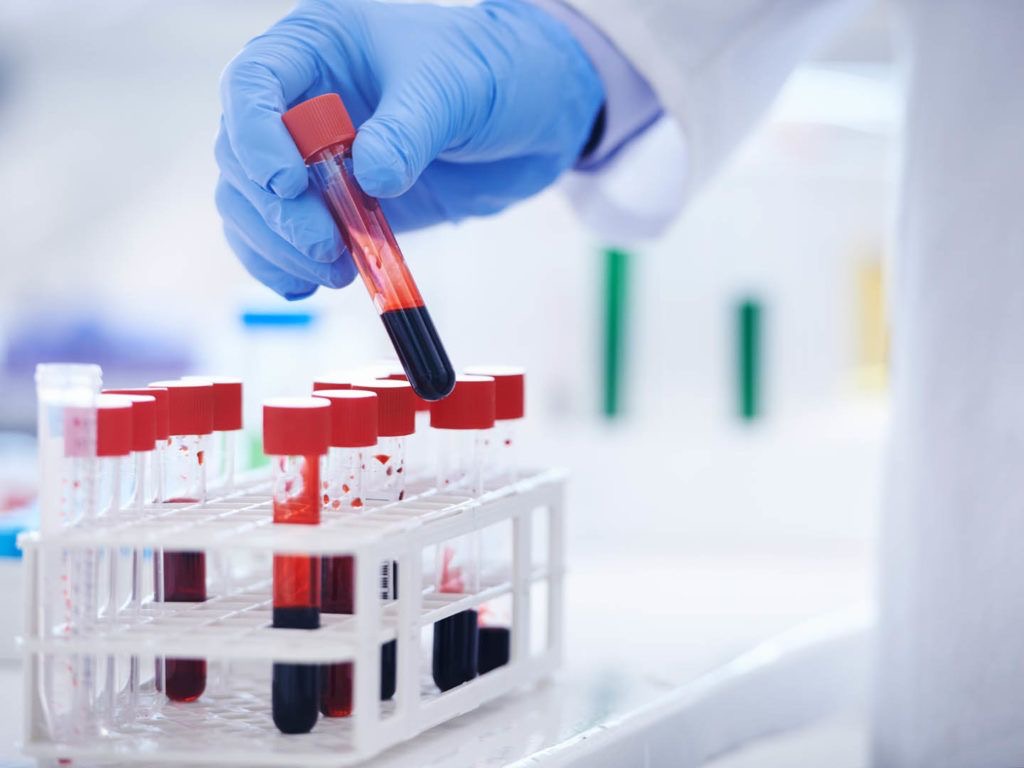
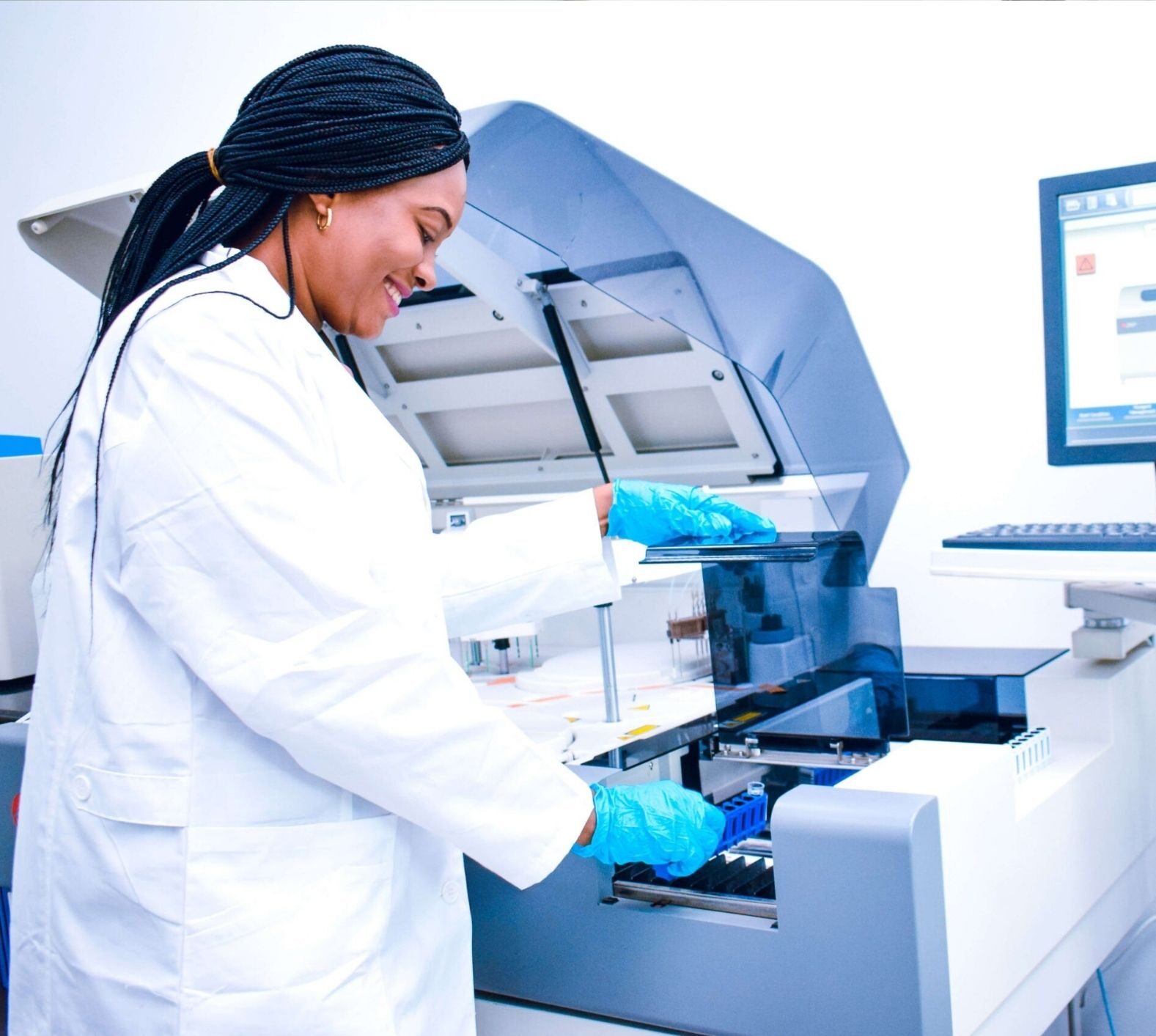
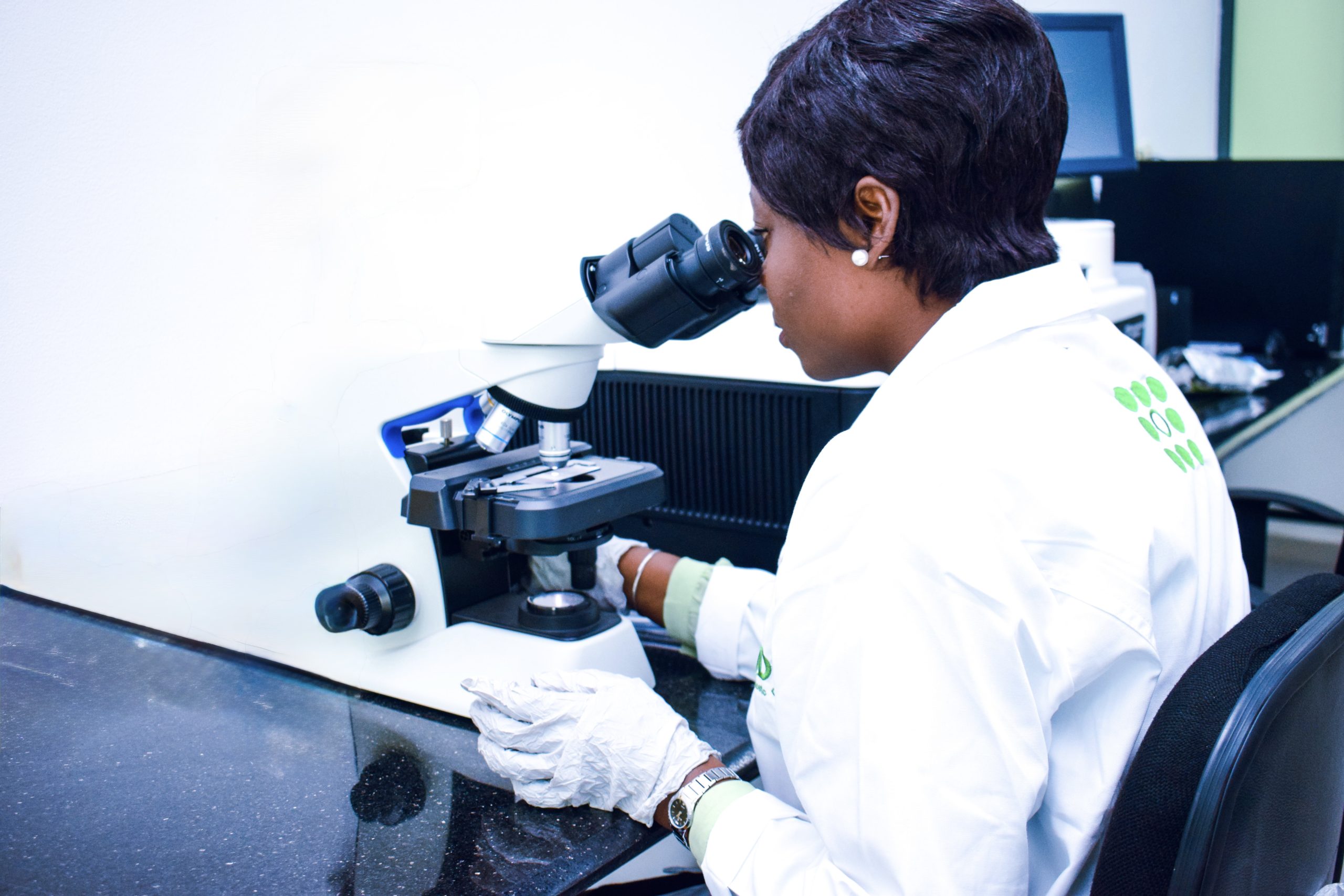
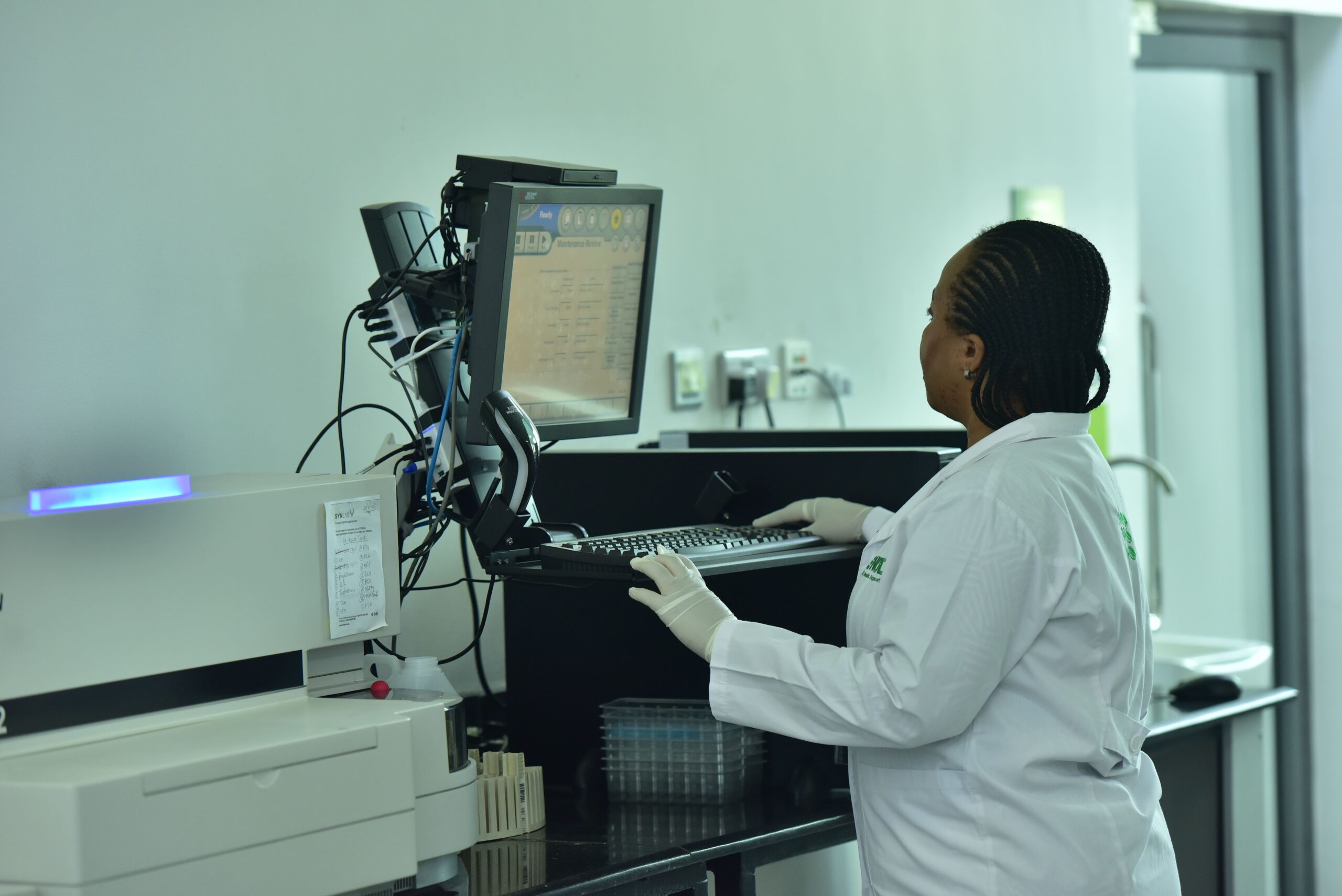
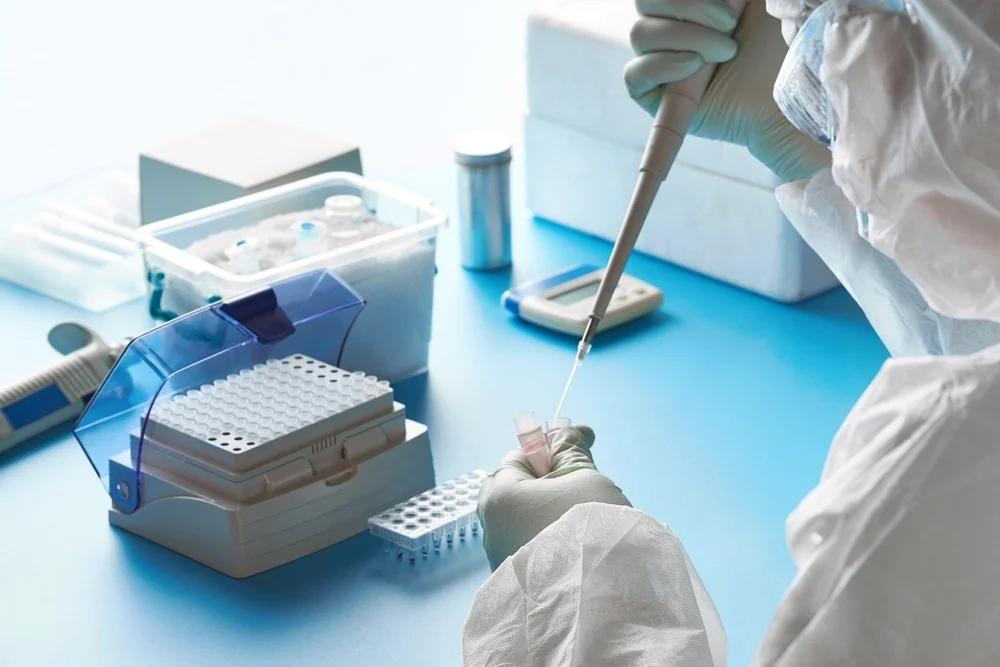
We provide laboratory services that evaluate and analyse clinical specimens to aid in diagnosing and treating diseases. Our trusted laboratory departments offer a comprehensive range of tests, carried out with expertise and precision.
Full blood count or FBC testing is a routine test that evaluates three major components found in blood: white blood cells, red blood cells and platelets. There are many reasons for a full blood count test, but common reasons include infection, anemia, and suspected haemato-oncological diseases.
White Blood Cells (WBC) Testing
White blood cells are responsible for assisting the body’s defenses in fighting illnesses and disease. Knowing how many white cells are within the blood can prove invaluable for diagnosing and treating a range of conditions. Increased white blood cells are common in people fighting infection or suffering from anemia.
Red Blood Cells (RBC) Testing
The number of red blood cells in the body can increase through dehydration, stress and anxiety, or failure of the bone marrow, to name a few conditions. Decreased blood cells can be the result of receiving chemotherapy treatments, chronic inflammatory diseases, blood loss and some types of cancer.
Haemoglobin Testing
Without haemoglobin, oxygen would not be able to travel around the body. This oxygen-rich protein is essential to life, but it can increase or decrease due to a number of conditions. Dehydration, congestive heart failure and chronic obstructive pulmonary disease can all cause an increase in haemoglobin levels, while blood loss, anemia, liver disease and lymphoma can result in a decrease.
Hematocrit (HCT) and Platelets Testing
Hematocrit, or HCT as it is more commonly known, is the ratio of plasma to red blood cells. Plasma accounts for the fluid component in blood. HCT testing is usually carried out when hydration levels and anemia are suspected of causing problems. HCT levels can be affected in the same way as haemoglobin levels.
If anemia is suspected, it is common for doctors to carry out testing on red blood cells, haemoglobin and hematocrit at the same time.
Platelets are responsible for causing the blood to clot. Without them blood would continue to flow from a wound and would need immediate medical attention in order to stem the flow. Increased platelet levels can be the result of inflammatory conditions such as trauma, acute infection, and a number of malignant cancers. Decreases in platelet levels can occur from anemia, coagulation disorders such as sickle cell anemia, alcohol toxicity and infection.
Mono Screening
Infectious mononucleosis, also known as mono, is caused by the Epstein Barr virus. It can be a serious condition and is highly contagious. Mononucleosis testing involves looking for the antibodies the immune system makes as it works to fight the infection.
Vitamin B12 Deficiency Testing
A lack of vitamin B12 can make you feel tired, run down and without energy. A simple blood test can detect whether vitamin B12 levels have decreased. This vitamin is essential for healthy blood cells, healthy nerves, and stable DNA. If a deficiency is detected, this condition is easy to manage with supplements, changes to the diet and vitamin shots
Cholesterol Testing
High levels of cholesterol have been linked to heart disease and other potentially fatal conditions for some time. Cholesterol testing can alert a doctor as to whether a patient needs to take action to lower blood cholesterol and whether further treatment is required. The blood test itself involves testing the Total Cholesterol, LDL Cholesterol (the bad), HDL Cholesterol (the good), triglycerides and the patient’s risk ratio.
Blood Glucose Testing
Blood glucose testing is used to show how well the patient has been able to control his or her diabetes over the past few months. It is a non-fasting test that shows the level of glucose values in the blood. It is also known as A1c, Glycohemoglobin or HbA1c testing. While it is a very accurate test, it should never be used in place of routine daily glucose testing.
Renal Profiling
The kidneys are responsible for a lot of waste management and cleansing in the body. Renal profiling can provide a unique and valuable snapshot of how the kidneys are functioning. The blood test will include testing the levels of creatinine and blood urea nitrogen, both responsible for healthy kidney function
Edit Content
Immunoassay
MUDC and MKDC provide trusted immunoassay services. Immunoassay tests are used to test for the presence of an antibody in a blood or fluid sample. An immunoassay test contains a specific antigen and if the antibody is present in the sample, it will react or bind with the antigen in the test system and the disease or disorder will be detected as positive.
Immunoassays are used to test for: The presence of drugs, The presence of drugs, Pregnancy, Heart disease, Tumour markers, Markers of cardiac injury, Hypoglycemia, Prostate cancer, Meningitis, Viral hepatitis, HIV, Lyme disease, Chlamydia trichomatis, Rheumatoid arthritis. There are several different methods used in immunoassay tests.
Immunoprecipitation
The simplest immunoassay method measures the quantity of precipitate, which forms after the reagent antibody has incubated with the sample and reacted with its respective antigen to form an insoluble aggregate. Immunoprecipitation reactions may be qualitative or quantitative.
Particle Immunoassays
By linking several antibodies to the particle, the particle is able to bind many antigen molecules simultaneously. This greatly accelerates the speed of the visible reaction. This allows rapid and sensitive detection of antibodies that are markers of such diseases, as infectious mononucleosis, and rheumatoid arthritis.
Immunonephelometry
The immediate union of antibody and antigen forms immune complexes that are too small to precipitate. However, these complexes will scatter incident light and can be measured using an instrument called a nephelometer. The antigen concentration can be determined within minutes of the reaction.
Radioimmunoassay (RIA)
Radioimmunoassay (RIA) is a method using radioactive isotopes to label either the antigen or antibody. This isotope emits gamma rays, which are usually measured following removal of unbound (free) radiolabel. The major advantages of RIA, compared with other immunoassays, are higher sensitivity, easy signal detection, and well-established, rapid assays. The major disadvantages are the health and safety risks posed by the use of radiation and the time and expense associated with maintaining a licensed radiation safety and disposal program. For this reason, RIA has been largely replaced in routine clinical laboratory practice by enzyme immunoassay, explained below.
Enzyme Immunoassay (EIA)
Enzyme Immunoassay (EIA) was developed as an alternative to radioimmunoassay (RIA). These methods use an enzyme to label either the antibody or antigen. The sensitivity of EIA approaches that for RIA, without the danger posed by radioactive isotopes. One of the most widely used EIA methods for detection of infectious diseases is the enzyme-linked immunosorbent assay (ELISA).
Fluorescent Immunoassay (FIA)
Fluorescent Immunoassay (FIA) refers to immunoassays which utilize a fluorescent label or an enzyme label which acts on the substrate to form a fluorescent product. Fluorescent measurements are more sensitive than colorimetric (spectrophotometric) measurements. Therefore, FIA methods have greater sensitivity than EIA methods, which use absorbance measurement.
Chemiluminescent Immunoassays
Utilize a chemiluminescent label. Chemiluminescent molecules produce light when they are excited by chemical energy. These emissions are measured by a light detector.
Edit Content
SEROLOGY
Our serology department is well-trained in the analysis of serum and other bodily fluids. Serology tests are specifically useful in the identification of antibodies in the serum. The antibodies are typically formed as a response to an infection
Serological testing is particularly helpful in the diagnosis of Certain bacterial, parasitic, and viral diseases like:, Tick fever, Influenza, Measles, Mumps, Polio, Yellow fever, Infectious mononucleosis., Rheumatoid arthritis
As a practical mass-screening tool, serological testing has proved valuable in the detection of diseases such as: Allergy testing, Syphilis, Chlamydia trachomatis, Parvovirus, HIV/AIDS, Hepatitis B infection, Hepatitis C virus, Rubella immune status, Influenza, Coronavirus disease
Edit Content
Microscopy & Morphology
Histology
Our specialized pathologists use biopsies and surgical specimens for histological examination to identify tissue abnormalities. This analysis aids with identification and diagnosis of tissue-related diseases.
Histology tests are primarily used to detect, diagnose, and determine prognosis of cancer. Other detection includes: Viral infections, Inflammation due to tissue injury, Rheumatoid arthritis (RA), Scleroderma, Granulomatosis with polyangiitis (GPA), Churg-Strauss syndrome, Microscopic polyangiitis., Polymyositis/dermatomyositis, Marfan syndrome, Hashimoto’s thyroiditis, Goodpasture’s syndrome, Myasthenia gravis, Pemphigus, Diabetes – type I, Systemic lupus erythematosus
Cytology
We perform cytology tests to identify abnormalities in cell structure. This analysis aids with identification and diagnosis of diseases.
Cytology tests may be used for diagnosis or for screening: A diagnostic test is only used for people who have signs, symptoms, or some other reason to suspect that they might have a particular disease (like cancer). A diagnostic test finds out if a disease is present and, if so, it precisely and accurately classifies the disease.
A screening test is used to find people who might have a certain disease even before they develop symptoms. A screening test is expected to find nearly all people who are likely to have the disease, but a screening test doesn’t always prove that the disease is present.
Cytology tests are primarily used to detect an array of cancers including: Cervical cancer, Bladder cancer, Lung cancer, Breast cancer
Edit Content
Microbiology & Parasitology
The microbiology departments at MUDC and MKDC play a crucial role in combating disease and testing microscopic organisms which include bacteria, viruses, fungi, and protozoa for dysfunction.
Parasitology, a subdivision of microbiology, will assess parasites and parasitic diseases. Parasitology tests can detect Chagas disease, African sleeping sickness, Leishmaniasis, Malaria, Bilharzia, Filariasis
Edit Content
Molecular / Genetic Testing
Molecular Pathology
Analysing the molecules within organs, tissues, and bodily fluid to diagnose diseases by identifying molecular and pathway alterations. Molecular pathology is used in diagnosing cancers and infectious diseases including SARs, influenza, Tuberculosis, etc.
Some examples of how molecular pathology can be used: Establishing the basis of an existing disorder (diagnostic testing), Determining the presence of a genetic condition when there are no obvious symptoms (predictive testing), Carrier testing, Assessing a fetus for abnormalities (prenatal testing), Detecting cancer-causing gene mutations, Selecting pharmacotherapy
Genetic Testing
Genetic tests identify changes in an individual’s DNA sequence or chromosome structure and this information can be used to determine if an individual is the biological parent of another individual.
Locations
MedServe is transforming the Nigerian healthcare landscape with advanced medical technology, cutting-edge infrastructure, and a patient-centered approach. MedServe has three state of the art medical facilities, designed to enhance diagnostic and cancer care services across Nigeria.
MedServe Umuahia Diagnostic Centre (MUDC)
MUDC Located in Umuahia, Abia State, provides advanced diagnostic care to patients across the South-East region. Our modern facility is equipped with cutting-edge technology and ...
MKDC, located in Kano, the commercial hub of Northern Nigeria, delivers advanced diagnostic care to patients across the region. Our state-of-the-art facility is supported by ...
MLCC is a high-volume outpatient oncology centre that delivers world-class cancer care to patients. Established in 2019, the centre is located within the Lagos University ...