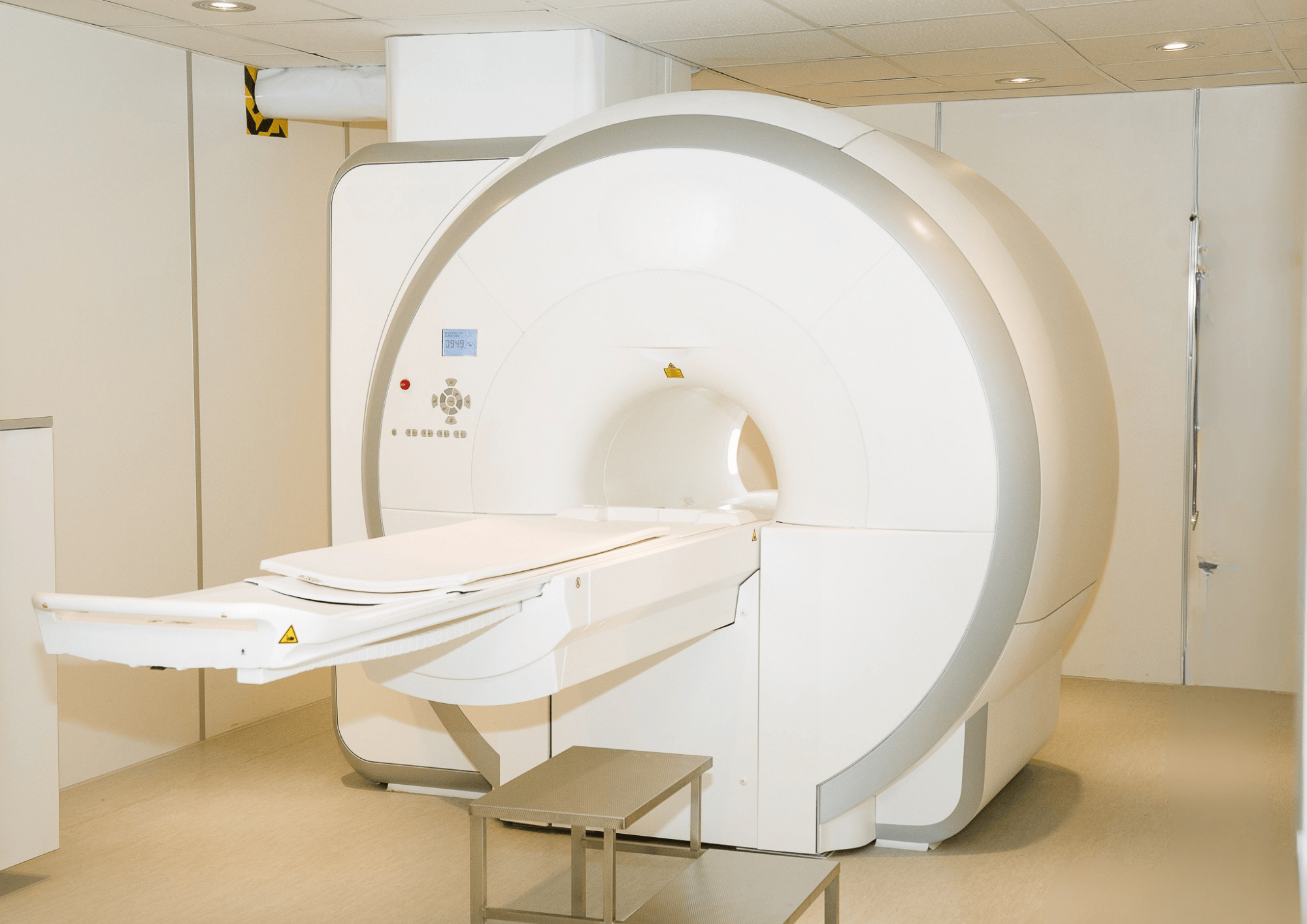
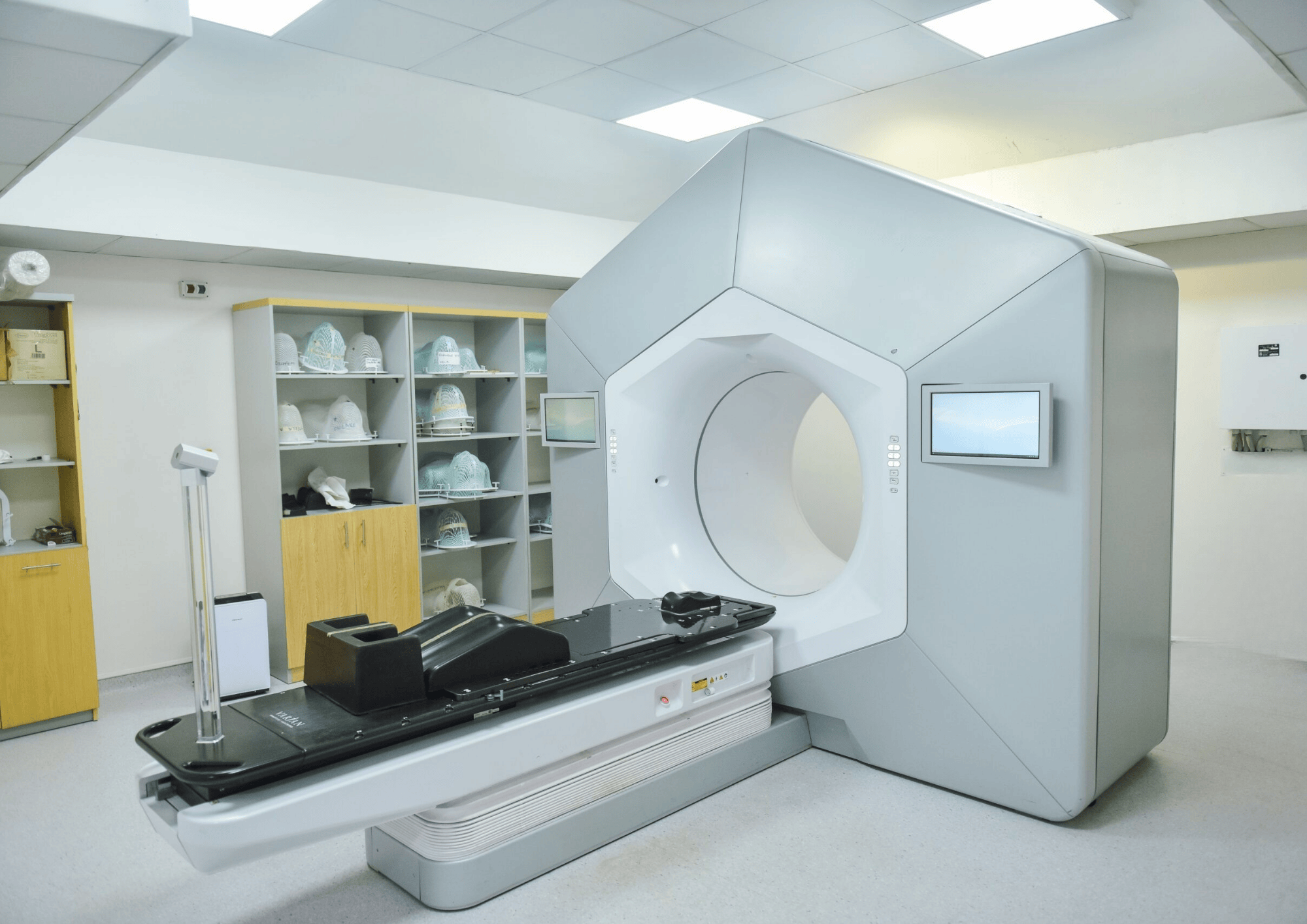
Radiotherapy targets cancer cells by destroying the genetic material responsible for cell growth and division. Although radiation can affect healthy cells, the primary goal is to limit this damage while effectively treating the cancer. Over half of all cancer patients undergo radiotherapy as part of their overall treatment.
Radiotherapy damages cancer cells by destroying the genetic materials that control how cells grow and divide. Even though both healthy and cancerous cells are damaged by radiation, the overall goal is to destroy the smallest amount of normal, healthy cells possible. More than half of all cancer patients receive radiation therapy as part of their overall cancer treatment.
There are two main types of radiotherapy: External and Internal.
External Radiotherapy
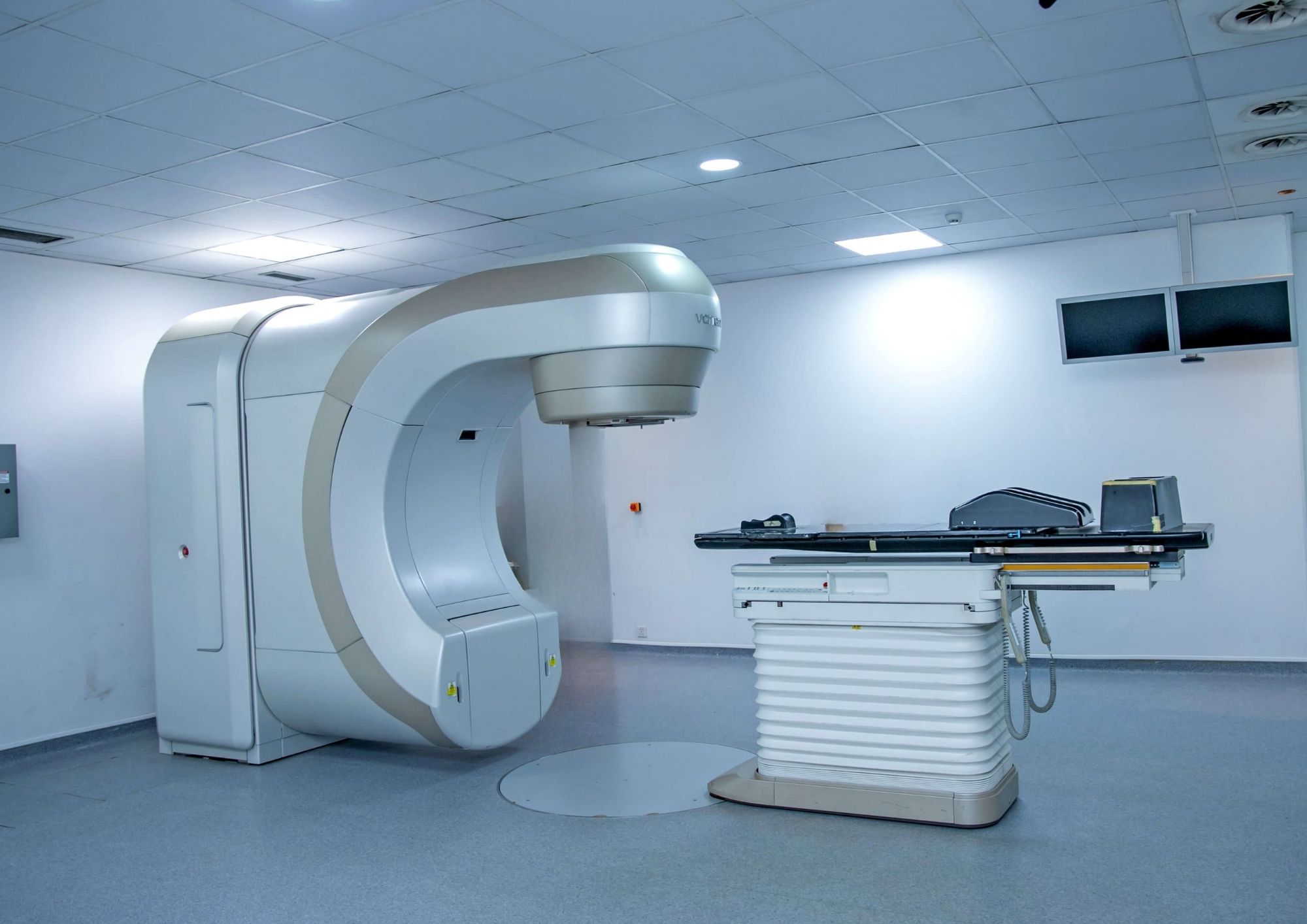
This is the most common type of radiotherapy used. It is usually given as a course of several treatments over days or weeks. External radiotherapy uses external beam radiation therapy to treat cancer cells. This is sometimes used in conjunction with X-rays, photons, protons, and other types of high-energy beams.
The high-energy beams come from a linear accelerator machine and focus on the precise point of the body where the cancer cells are situated. At MLCC, there are three linear accelerators that deliver electrons and photons to targeted cancer cells.
It may be prescribed as:
The only treatment for cancer
Pre-surgery treatment: To shrink the cancerous tumour (neoadjuvant therapy)
Post-surgery treatment: To stop the growth of any remaining cancer cells (adjuvant therapy)
In combination with chemotherapy to destroy cancer cells
To alleviate symptoms in advanced cancer
Electron beams are used for treating skin cancer and superficial structures while photons are used to treat deep-seated tumors in the bladder, bowel, prostate, lungs, or brain.
Edit Content
CHEMOTHERAPY
Chemotherapy is a type of drug treatment that uses powerful chemicals to kill fast-growing cancer cells. It is an effective way to treat cancer and over three hundred regimens are used in MLCC to treat different cancers.
Chemotherapy can be divided into three sectors – Adjuvant chemotherapy, Neoadjuvant chemotherapy, and Palliative chemotherapy.
Chemotherapy is prescribed to:
Cure the cancer without other treatments: Chemotherapy may be the only treatment for a particular type of cancer.
Kill hidden cancer cells after other treatments: It can be used in addition to other treatments or after surgery to maximise its effectiveness.
Prepare patients for other treatments. It can be used to shrink a tumour so that other treatments such as surgery and radiation are possible.
Ease the signs and symptoms of cancer.
Adjuvant chemotherapy
Adjuvant chemotherapy is chemo that you get after your primary treatment, such as surgery or radiation to destroy remaining cancer cells and prevent a possible cancer recurrence. Examples of Adjuvant therapy may include chemotherapy, radiation therapy, hormone therapy, targeted therapy, or biological therapy. Most common types of cancer treated adjuvantly: Breast cancer, Lung cancer, Colon cancer.
Neoadjuvant chemotherapy
Is when you get chemo before your primary treatment to help reduce the size of a tumour or kill cancer cells that have spread so that the surgical procedure may not need to be as extensive. Examples of Neoadjuvant therapy include chemotherapy, radiation therapy, and hormone therapy. It is a type of induction therapy. Most common types of cancer treated neoadjuvantly: Breast Cancer, Lung Cancer, Colon Cancer.
Palliative chemotherapy
Palliative chemotherapy is treatment that is given in the non-curative setting to optimize symptom control, improve or maintain quality of life and, ideally, to also improve survival. It addresses symptom management without expecting to significantly reduce the cancer. Most common types of cancer treated Palliatively: Pancreatic cancer, Non-small cell lung cancer. Breast cancer
Edit Content
Immunotherapy
Immunotherapy is a modern cancer treatment that helps thebody’s immune system recognize and fight cancer cells. It boosts natural defences to target cancer more precisely, often with fewer side effects than traditional treatments. This therapy can be used alone or with other treatments like chemotherapy or radiation. Types of immunotherapies include checkpoint inhibitors, monoclonal antibodies, and cancer vaccines. It offers new hope, especially for cancers that don’t respond well to other treatments.
Edit Content
Internal Radiotherapy
Often called Brachytherapy is another type of radiation used to treat cancer. This procedure requires placing radioactive materials inside the patient’s body to destroy cancer cells.
Unlike radiotherapy, the patient’s healthy cells get less radiation and brachytherapy treats only specific parts of the body. Brachytherapy is often used to treat cancers located in the: Head, Neck, Breast, Cervix, Prostate, Eye
Application
The radioactive material (also called implant) can be contained in a seed, ribbon, or capsule, and is then put in place through a catheter, which is a small, stretchy tube. Sometimes, brachytherapy is put in place through a larger device called an applicator. The way the brachytherapy is put in place depends on the type of cancer.
There are two types of brachytherapy, which can either be prescribed in high or low dosages:
Interstitial brachytherapy: The radiation material is placed within the tumour, in cases like prostate cancer.
Intracavitary brachytherapy: The radiation source is placed within a body cavity, or a cavity created by surgery in cases of cancer of the cervix and vagina.
Edit Content
Clinical Trials
Clinical trials are research studies that test new ways to prevent, detect, or treat cancer. They help doctors learn which treatments are safe and effective for patients. Participants may receive promising new therapies not yet widely available. Trials follow strict safety rules and are closely monitored to protect patients. Joining a clinical trial can contribute to medical progress and offer hope for future patients
Edit Content
CT Simulation
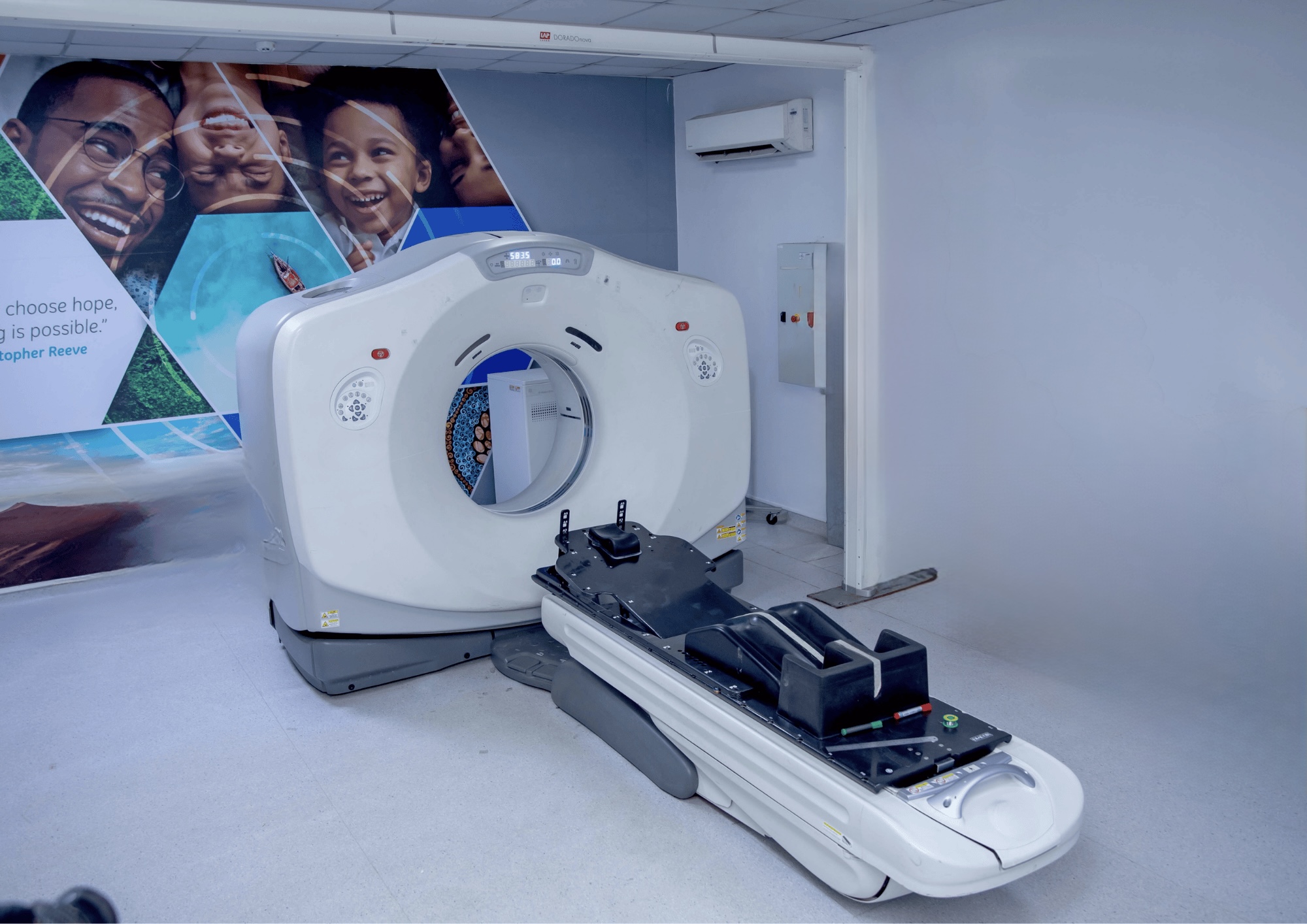
Radiological investigations such as CT Simulation are essential steps in planning precise cancer treatment. CT Simulation uses advanced imaging to map the tumor and nearby organs in 3D, helping doctors target radiation accurately. During the procedure, patients are positioned carefully using special devices to ensure consistency throughout treatment. No radiation treatment is given during simulation—it’s purely for planning and safety. This process ensures that each radiation session is delivered with maximum effectiveness and minimal side effects.
Locations
MedServe is transforming the Nigerian healthcare landscape with advanced medical technology, cutting-edge infrastructure, and a patient-centered approach. MedServe has three state of the art medical facilities, designed to enhance diagnostic and cancer care services across Nigeria.
MedServe Umuahia Diagnostic Centre (MUDC)
MUDC Located in Umuahia, Abia State, provides advanced diagnostic care to patients across the South-East region. Our modern facility is equipped with cutting-edge technology and ...
MKDC, located in Kano, the commercial hub of Northern Nigeria, delivers advanced diagnostic care to patients across the region. Our state-of-the-art facility is supported by ...
MLCC is a high-volume outpatient oncology centre that delivers world-class cancer care to patients. Established in 2019, the centre is located within the Lagos University ...