Magnetic Resonance Imaging (MRI)
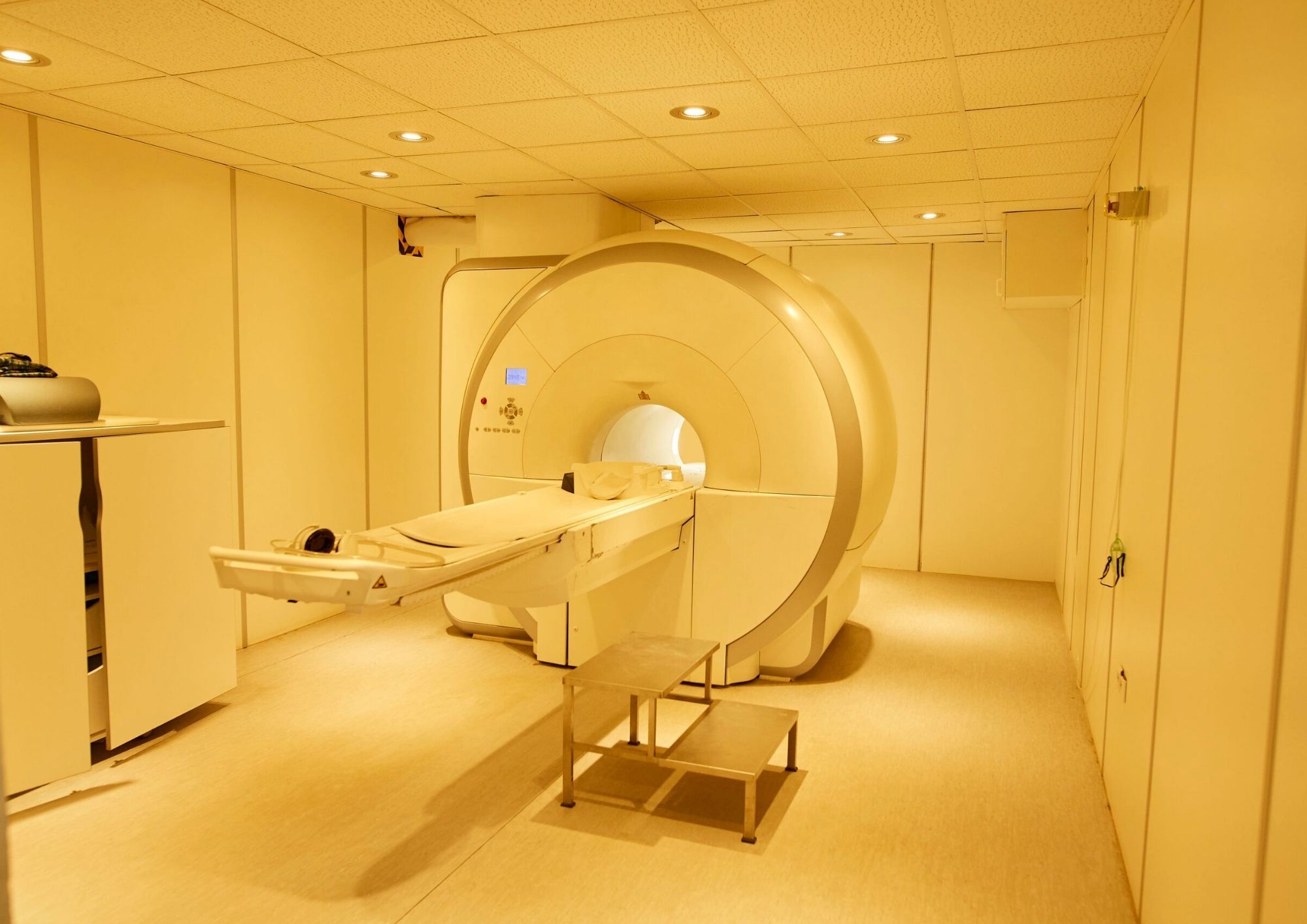
Our centres operate with 1.5 Tesla MRI – a medical imaging technology that uses magnetic fields and computer-generated radio waves to create detailed images of organs, bones, and tissues. These images help to diagnose injuries and diseases. An MRI can help with the detection of a wide range of conditions including: Cancer, Heart disease, Vascular disease, Muscular and bone abnormalities, Brain diseases, MRI Angiogram, Liver and biliary tree, Breast MRI, Etc.
Cardiac MRI
The information provided by this type of Magnetic Resonance Imaging (MRI) is useful to doctors in assessing the type and severity of heart diseases and enable doctors to decide on the most feasible treatment approach for cardiovascular ailments including but not limited to coronary heart disease, heart valve problems, pericarditis, cardiac tumours or damage from a heart attack.
Our centres are equipped to combine the results from the Cardiac MRIs with the outcome of other radiological and laboratory tests to deliver accurate patient diagnosis for doctors’ management of such conditions.
Cardiac Imaging
Cardiac imaging uses non-invasive technology to assess the heart and its functions. It is a sub specialty of cardiology concerned with the diagnosis of cardiovascular disease using advanced imaging technologies such as magnetic resonance imaging, Computed Tomography (CT) and ECHO.
Cardiac imaging is used to detect and monitor medical conditions such as: Heart tumors, Congenital heart disease, Heart valve diseases, Cardiomyopathy.