RADIOTHERAPY
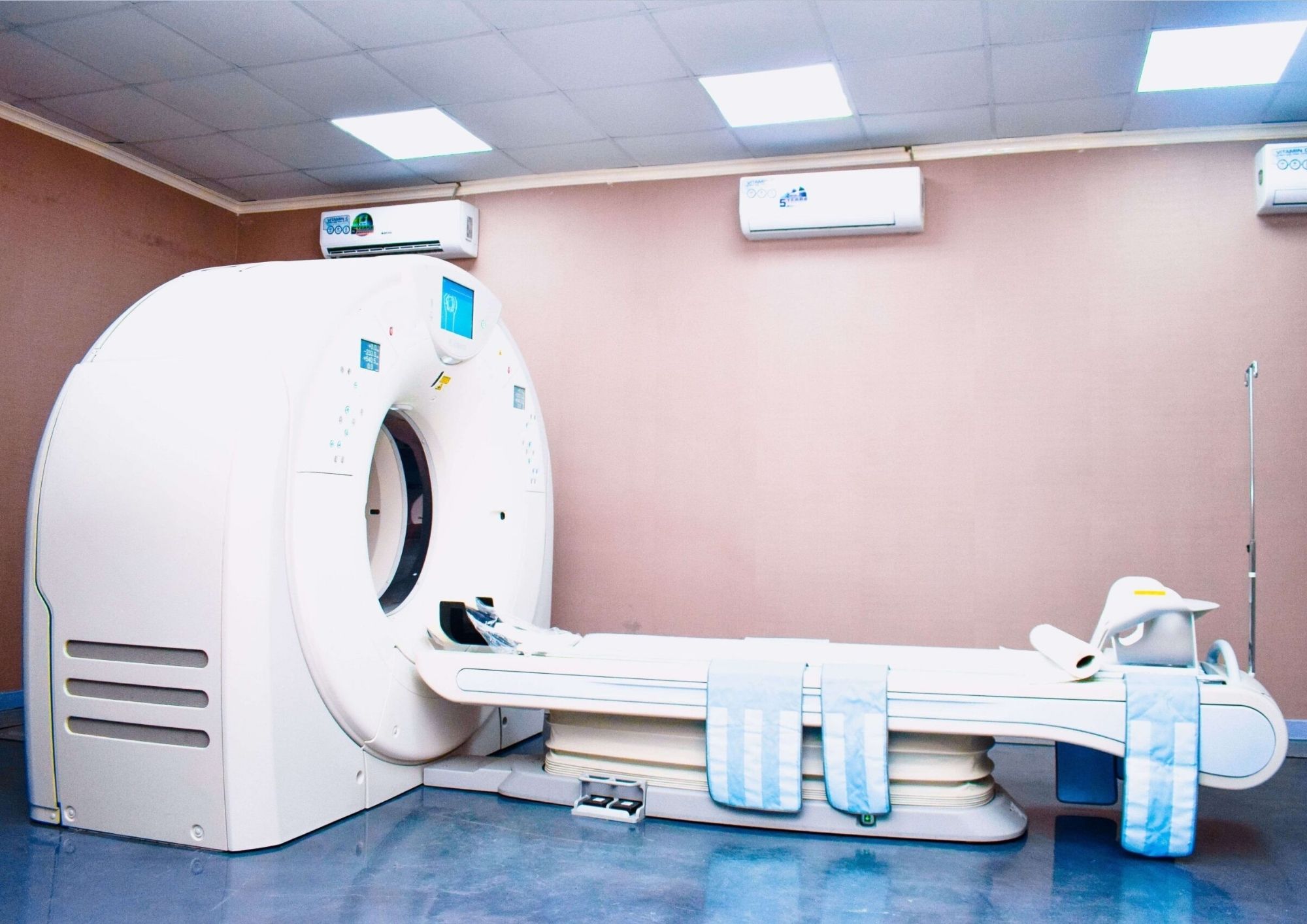
Radiotherapy damages cancer cells by destroying the genetic materials that control how cells grow and divide. Even though both healthy and cancerous cells are damaged by radiation, the overall goal is to destroy the smallest amount of normal, healthy cells possible. More than half of all cancer patients receive radiation therapy as part of their overall cancer treatment.
Radiotherapy is separated into two types: External Radiotherapy and Internal Radiotherapy.
External Radiotherapy
Is the most common type of radiotherapy used. It is usually given as a course of several treatments over days or weeks. External radiotherapy uses external beam radiation therapy to kill cancer cells. This is sometimes used in conjunction with X-rays, photons, protons, and other types of high-energy beams.
The high-energy beams come from a lineal accelerator machine and focus on the precise point of the body where the cancer cells are situated. At MLCC, there are three linear accelerators that deliver electrons and photons to targeted cancer cells.
It may be prescribed as:
- The only treatment for cancer
- Pre-surgery treatment: To shrink the cancerous tumour (neoadjuvant therapy)
- Post-surgery treatment: To stop the growth of any remaining cancer cells (adjuvant therapy)
- In combination with chemotherapy to destroy cancer cells
- To alleviate symptoms in advanced cancer
- Electron beams are used for treating skin cancer and superficial structures while photons are used to treat deep-seated tumors in the bladder, bowel, prostate, lungs, or brain.
Internal Radiotherapy
Often called Brachytherapy is another type of radiation used to treat cancer. This procedure requires placing radioactive materials inside the patient’s body to destroy cancer cells.
Unlike radiotherapy, the patient’s healthy cells get less radiation and brachytherapy treats only specific parts of the body. Brachytherapy is often used to treat cancers located in the: Head, Neck, Breast, Cervix, Prostate, Eye
Application
The radioactive material (also called implant) can be contained in a seed, ribbon, or capsule, and is then put in place through a catheter, which is a small, stretchy tube. Sometimes, brachytherapy is put in place through a larger device called an applicator. The way the brachytherapy is put in place depends on the type of cancer.
There are two types of brachytherapy, which can either be prescribed in high or low dosages:
- Interstitial brachytherapy: The radiation material is placed within the tumour, in cases like prostate cancer.
- Intracavitary brachytherapy: The radiation source is placed within a body cavity, or a cavity created by surgery in cases of cancer of the cervix and vagina.